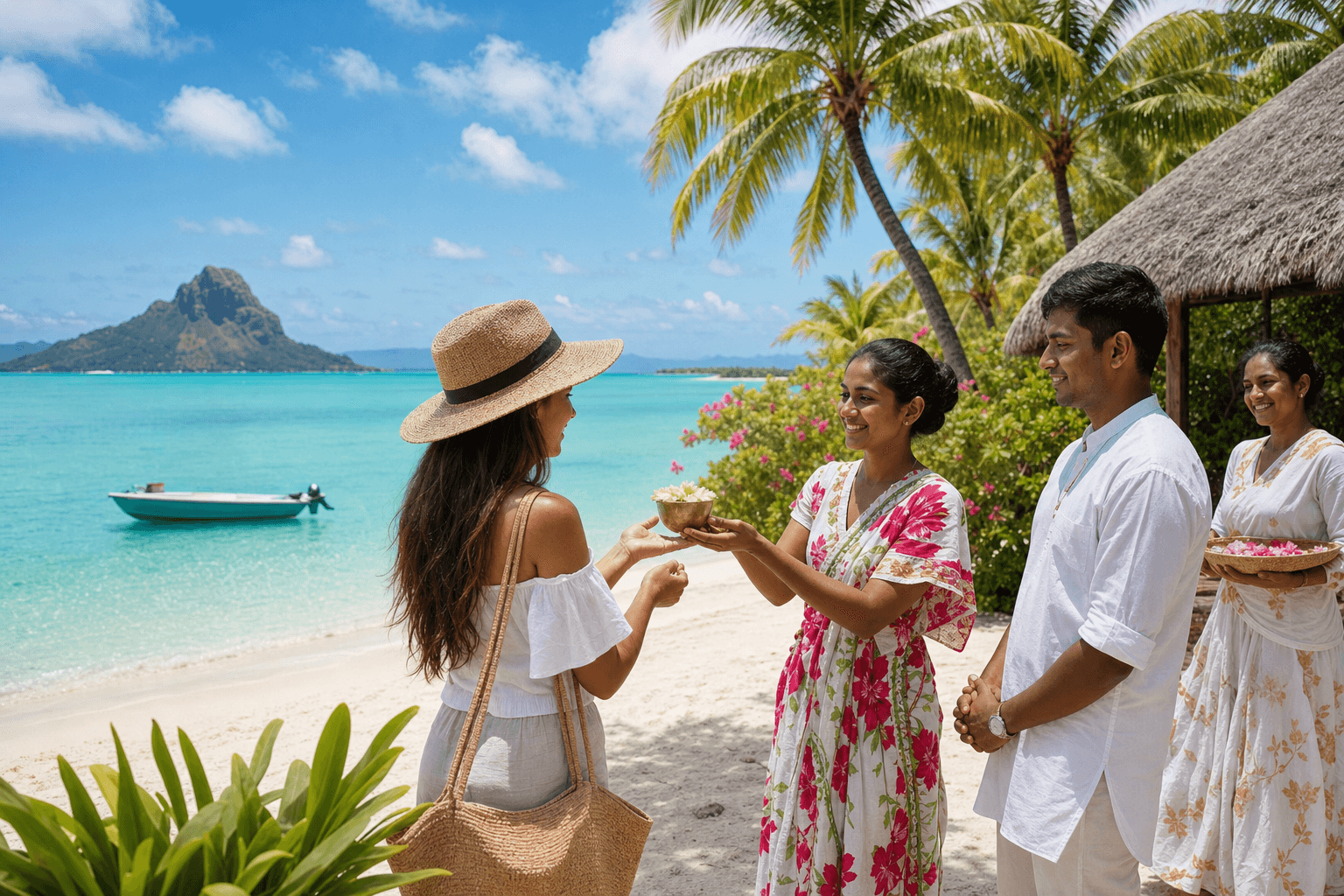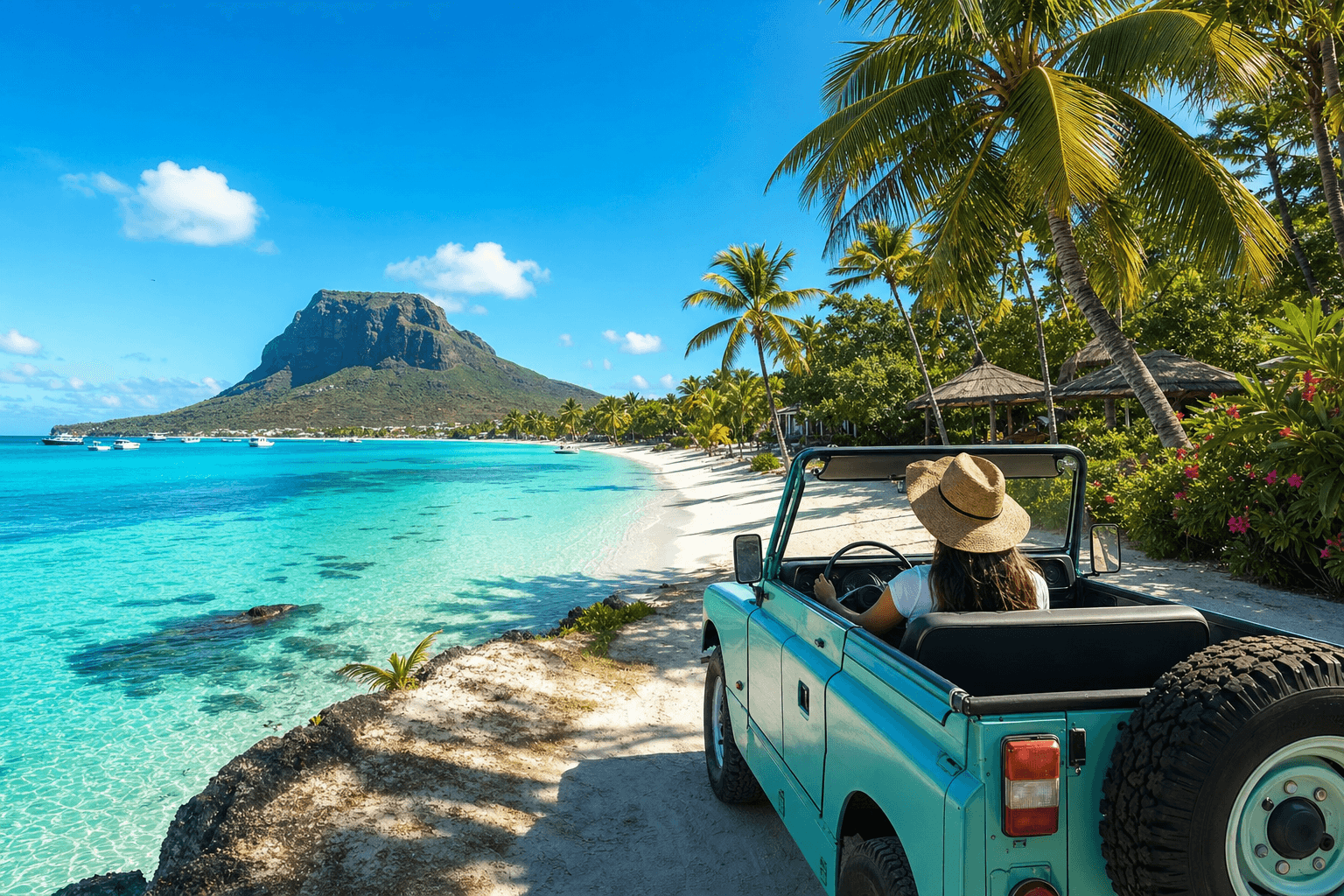
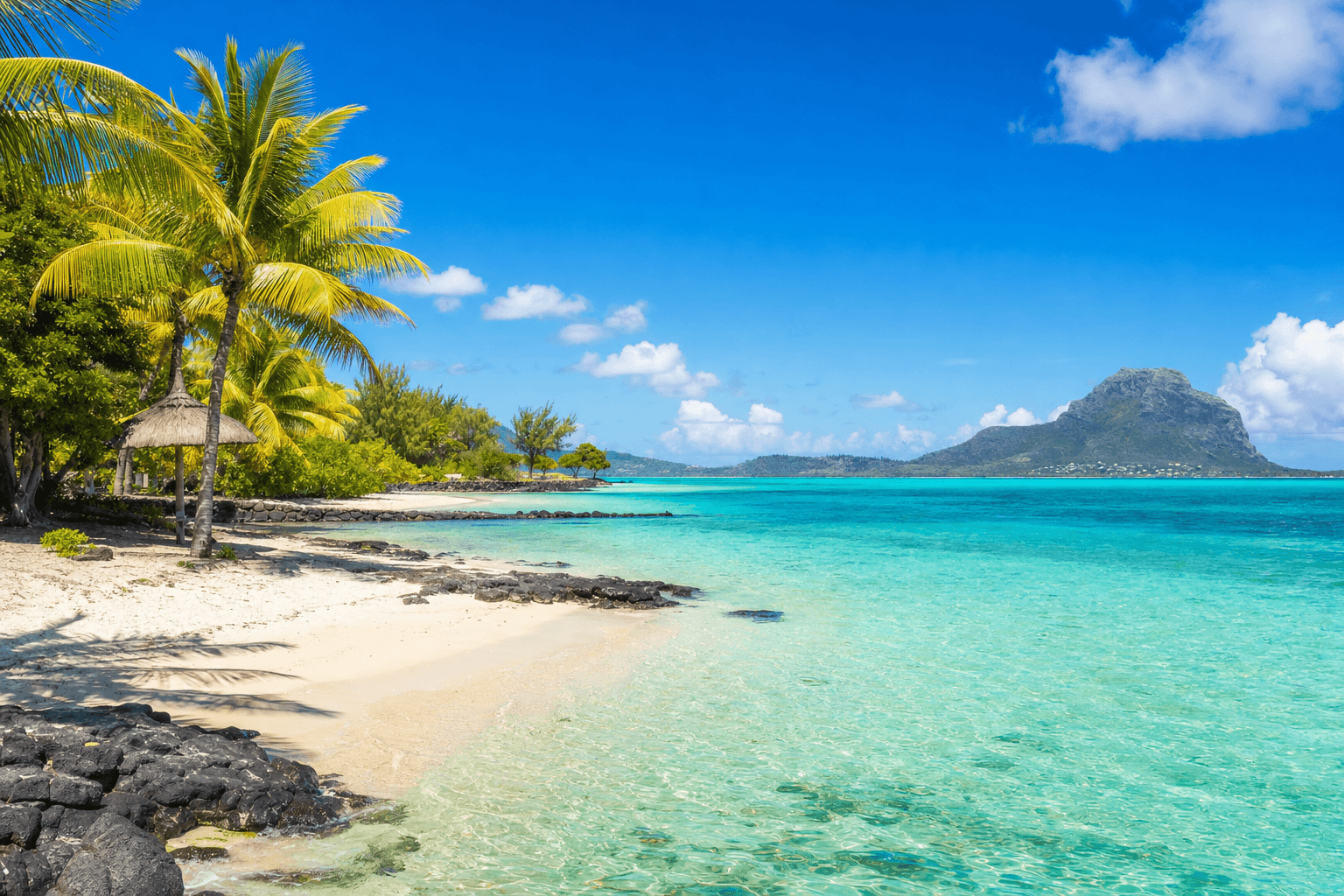
Mauritius is ringed by a coral reef that shelters a necklace of calm, shallow lagoons, which is why the island is famous for some of the most beautiful beaches in the Indian Ocean. The water is warm all year, the sand is soft and pale, and almost every public beach is free to visit. Here is where to spread your towel, whatever kind of day you are looking for.
Trou aux Biches and the north
Trou aux Biches, on the north west coast, is many visitors' favourite. Its long stretch of golden sand shelves gently into a turquoise lagoon that is calm enough for young children and perfect for a lazy swim. Casuarina trees line the shore and give welcome shade in the middle of the day. Nearby Mont Choisy is even longer, a wide sweep of sand that is popular with local families at weekends, especially for sunset picnics.
Just up the coast, Cap Malheureux offers the postcard view of the little red roofed church framed by the sea and the northern islands. It is more of a photo stop than a swimming beach, but it is well worth the short detour. Grand Baie, the lively hub of the north, has smaller beaches but plenty of restaurants and boat trips leaving from its bay.
Flic en Flac and the west
On the west coast, Flic en Flac is one of the longest beaches on the island. The lagoon here is broad and calm, the sunsets are spectacular, and there are shops and food stalls a short walk from the sand. Because it faces west, the water stays warm and the swimming is excellent for most of the day.
Further south, Tamarin Bay is loved by surfers and by anyone hoping to see dolphins, which often gather offshore in the early morning. The sand here is a little coarser and the water can be livelier, so it has a wilder, more natural feel than the resort beaches.
Belle Mare and the east
The east coast catches the trade winds, which keeps it fresh and breezy. Belle Mare is the star here, a huge expanse of white sand backed by filao trees and clear water. Early mornings are magical, with soft light and hardly anyone about. The breeze also makes the east a favourite for windsurfing and kitesurfing.
Nearby, Blue Bay in the south east is a marine park and the best spot on the island for snorkelling straight from the beach. Glass bottom boats take visitors out over the coral, where you can see bright fish without even getting your hair wet.
Le Morne and the south west
For drama, nothing beats Le Morne. This peninsula in the south west sits beneath a towering basalt mountain, a UNESCO World Heritage site with a moving history tied to the island's past. The beach is broad and beautiful, and the steady wind makes it one of the world's top kitesurfing destinations. Even if you never touch a board, the view of the mountain rising above the lagoon is unforgettable.
Simple tips for beach days
- Most beaches have little natural shade, so bring a hat, sunscreen, and an umbrella if you can.
- The lagoon protects you from big waves, but always check for currents near reef passes and swim where others are swimming.
- Public beaches have few facilities, so carry water and snacks, and take all your rubbish home with you.
- Weekends are busy with local families, which is lovely and lively, while weekday mornings are the quietest.
- Reef sandals help on rocky patches and protect both your feet and the coral.
Which coast should you choose?
If you want calm, sheltered swimming, head north or west. If you love a fresh breeze and wide open sand, the east is glorious. For scenery and watersports, the south west around Le Morne is hard to beat. The good news is that the island is small, so you can sample several coasts in a single trip. Rent a car for a few days, follow the shoreline, and let each stretch of sand surprise you.
Everything you need to plan an unforgettable Mauritius holiday. Read more island guides.